
Introduction
How to Pack a Bedroom for Moving: Expert Packing Tips
Packing a bedroom might look easy on the surface, but that illusion breaks once you start clearing out closets, bagging up mattresses, and dismantling furniture. You quickly realize that bedrooms are actually filled with a massive variety of items, from heavy dressers to delicate valuables.
Whether you're moving out of a Burnaby townhome or navigating strict condo elevators downtown Vancouver, packing your bedroom requires a clear, step-by-step plan to keep your belongings safe and organized.
At Eco Van Move, we have relocated countless bedrooms across Metro Vancouver. Here is our professional step-by-step guideline for decluttering, boxing up your wardrobe, protecting your heavy furniture, and making your first night in your new home completely stress-free.
Bedroom Packing at a Glance
- Time Required: 4 to 7 hours for a standard bedroom (including closet purging and furniture disassembly). Most DIY movers underestimate packing time by 2 to 3 hours.
- Cost of DIY Supplies: $60 to $120 (Wardrobe boxes, mattress bags, packing paper, and heavy-duty tape).
- Risk Level: Medium to High. Carrying heavy dressers and awkward mattresses down stairs or through tight doorways poses a significant risk of property damage and back injuries.
Note: At Eco Van Move, we carry up to $2 million in liability coverage for property damages, giving you complete peace of mind. Learn more about how this protects you in our BC moving insurance guide.
Decluttering & Essentials
Phase 1: Decluttering and the "Day 1" Essentials Box
Start with a Ruthless Bedroom Purge
Do not pay to move clothes you haven't worn in three years. Moving is the perfect time to evaluate your wardrobe. Ask yourself: Do you really need 15 plain black t-shirts? Be ruthless. Discard anything showing signs of wear and donate items that no longer fit your style. Sort your items into keep, donate, and discard piles. If you need a structured approach, check out our guide on how to declutter before moving or follow our complete roadmap for donating, selling, and junk removal to handle the items you leave behind.
Pack Your Overnight Essentials Bag
After a long day of moving, the last thing you want to do is dig through boxes to find your toothbrush. Pack a "Day 1" bag just as you would for a weekend trip. Include pajamas, a change of clothes, daily medications, phone chargers, basic toiletries, and one set of clean bed sheets. Keep this bag with you in your car, not in the moving truck.
For this exact reason, every one of our green moving box rental packages includes one special red plastic box. Designate this as your "essentials and emergency" kit. Pack anything you might need at a moment's notice, along with items to keep your energy up: high-calorie snacks, tea bags, a kettle, and a few mugs or disposable cups. Staying fueled and hydrated is the best way to get through moving day without burning out.
Wardrobe & Box Count
Phase 2: Packing Clothes and Estimating Box Counts
How Many Boxes Does a Bedroom Need?
Packing a standard bedroom usually requires the following:
- 15 to 20 Large Boxes: For clothing, bedding, and lighter items.
- 5 to 8 Small Boxes: For dense, heavy items like books.
- 2 to 4 Wardrobe Boxes: (Budget Tip: Swap these out for a few extra large boxes to save money!)
Want to take the guesswork out of the rest of your home? Head over to our moving box rental page. We provide box estimates based on your house size, which is worth checking out to get a baseline for your move—even if you decide not to use a rental service!
On that page, you can view our base packages and simply select the one that works best for you to see pricing for different rental periods. Every order includes free delivery and pickup. Lastly, don't forget to check our packing supplies checklist for a complete breakdown of materials.
The Best Way to Pack Clothes and Shoes
Taking clothes off hangers to fold them wastes hours. Instead, use specialized wardrobe boxes that feature a built-in metal hanging bar to transfer your clothes directly from the closet. For folded clothes, utilize your wheeled suitcases. Suitcases are perfect for transporting heavy items like thick denim or your shoe collection.
Protecting Hats and Jewelry
Keep shoes in their original boxes, or wrap them in paper. For hats, stuff the crown with tissue paper to prevent crushing, and pack them at the top of a box. Wrap valuable jewelry in bubble wrap, place it in a compartmentalized craft box, and transport it in your personal vehicle.
Furniture Bedding & Fragile
Phase 3: Disassembling Furniture and Wrapping Fragile
Bedding, Mattresses, and Bed Frames
Use vacuum-seal storage bags to shrink bulky pillows and winter blankets down to a fraction of their size, specially for long distance move since every little bit of extra space, will cost you lots of money. For your mattress, never move it without a heavy-duty plastic mattress bag to protect it from dust and transit damage. Disassemble your bed frame completely, place all hardware into a Ziploc bag, and tape it securely to the largest piece of the frame.
Important Saving Time Tip:
If you’ve hired professional movers, check with them before you spend time dismantling your bed. In many cases, they can move the frame fully assembled. But don't wait for the moving date; consult with your movers and provide them with accurate details about your bed frame size, stairway widths, elevator dimensions, and other potential obstacles. This way they can let you know if you need to dismantle your bed frame or not. This is especially true if the bed does not have a large headboard, or if the headboard can be separated without having to take apart the entire frame.
Nightstands, Lamps, and Art
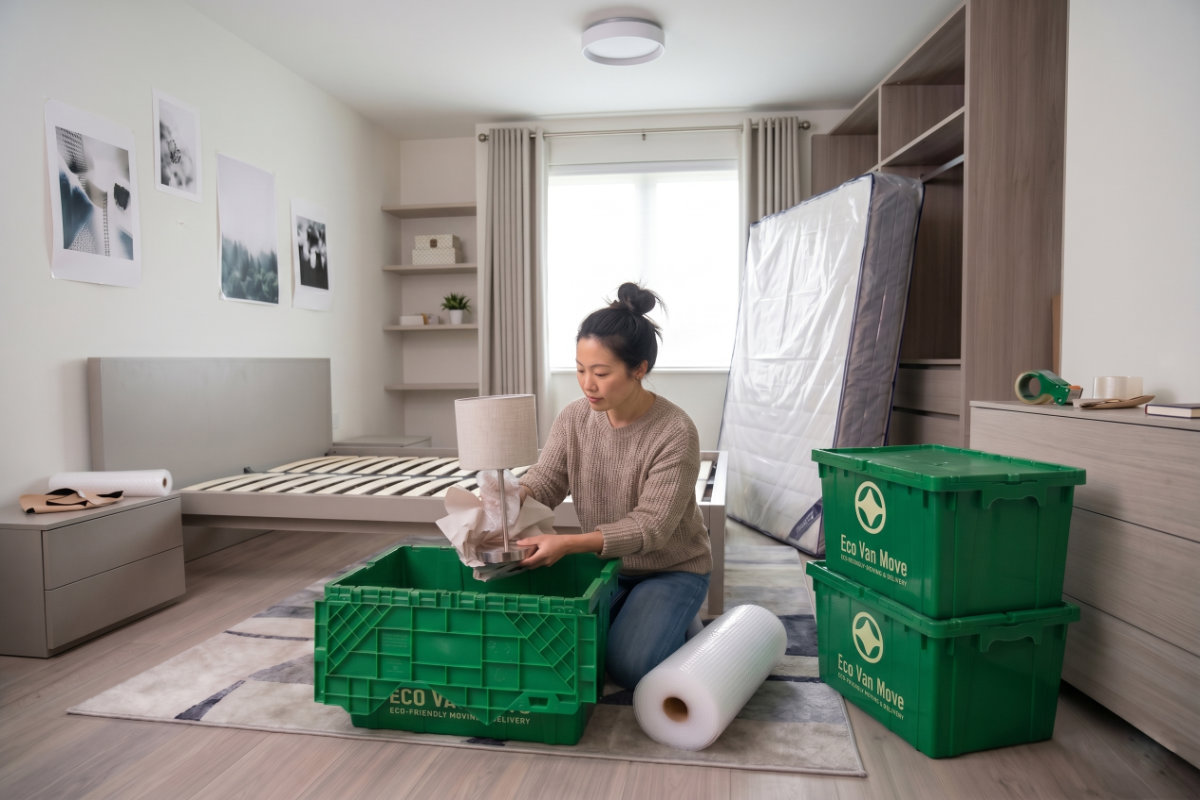
Empty heavy items from nightstands to protect the drawer tracks, and wrap the entire unit in moving blankets. When packing bedside lamps, remove the shade, the bulb, and the wire "harp" frame. Wrap the base in bubble wrap and pack the shade separately in unprinted paper. For complex pieces, review our tips on how to pack fragile furniture. If you're moving in or out of a high-rise, read our condo moving guide to ensure your wrapped furniture meets strata elevator rules.
Common Mistakes
5 Common Bedroom Packing Mistakes to Avoid
Avoid these frequent DIY pitfalls to ensure your bedroom items arrive intact:
- Using Garbage Bags for Clothes: Thin garbage bags rip easily, offer no protection, and are a nightmare to stack efficiently in a moving truck.
- Losing Furniture Hardware: Tossing loose screws into a random box guarantees you won't be sleeping in your bed the first night. Always bag and tape hardware directly to the furniture.
- Overpacking Book Boxes: If you keep a library in your bedroom, pack books in small boxes only. Large boxes of books become too heavy to lift safely.
- Packing Valuables in the Truck: Fine jewelry, passports, and irreplaceable family heirlooms must travel with you in your personal vehicle. During a busy moving day, someone could take advantage of the situation by taking a bag and walking away while you or your movers are busy lifting heavy items or looking away. But remember, don't leave them in your car unattended as well.
- Leaving Heavy Items in Dressers: Moving a solid wood dresser is hard enough; leaving it full of heavy items drastically increases the weight and risks snapping the internal drawer rails.
DIY vs Professional
DIY Packing vs. Professional Bedroom Relocation
The Hidden Costs of Doing It Yourself
Many people assume packing their own bedroom saves money, but the trade-offs are real. Disassembling a bed frame, wrestling a king-size mattress into a plastic sleeve, and wrapping delicate mirrors takes hours. Without proper lifting straps and floor runners, maneuvering heavy bedroom furniture down tight condo hallways drastically increases the risk of damaging walls or injuring yourself.
When to Hire the Experts
If you want to bypass the physical strain, our Residential Relocation services are the perfect solution. Our trained crews arrive with premium moving blankets, mattress bags, and wardrobe boxes. We handle the disassembly, the heavy lifting, and the safe transport, ensuring your bedroom furniture arrives in pristine condition.
FAQs
Frequently Asked Questions (FAQs)
What is the best order for packing bedroom items?
Start by decluttering. Next, pack non-essentials like out-of-season clothing, books, wall art, and decor. Pack your everyday clothes and bedding a day or two before the move, leaving only your "Day 1" essentials and your mattress for the final morning.
Can I leave my clothes in the dresser drawers?
It depends on the weight. Lightweight items like socks and t-shirts can usually stay in the drawers (just wrap the dresser securely in stretch wrap so the drawers don't fly open). However, you must remove heavy items like books or thick jeans, as the excess weight can destroy the drawer tracks during transit.
How do I pack delicate necklaces to prevent tangling?
A brilliant packing hack is to thread delicate necklaces through a paper drinking straw and clasp them shut. This keeps the chain rigid and guarantees they won't tangle during the move.
How do I pack bedroom liquids like perfumes and lotions?
To prevent leaks from ruining your clothes or boxes, remove the caps, place a small square of plastic wrap over the bottle opening, and screw the cap tightly back on over the plastic. Pack all liquids upright in a small box lined with a waterproof garbage bag. Also, try to put high-risk liquid items inside ziplock bags.
What should I do with empty clothes hangers?
Never throw loose hangers into a box; they will immediately become a tangled, frustrating mess. Instead, bundle them in groups of 10 to 15, secure them tightly together using zip ties, elastic bands, or stretch wrap, and pack them flat.
Does a memory foam mattress need to be packed differently?
Yes. Unlike traditional spring mattresses, heavy memory foam can tear or permanently lose its shape if folded, strapped too tightly, or stored on its side for an extended period. Always use a thick mattress bag and try to transport it flat in the moving truck whenever possible.
Do I need to empty my under-bed plastic storage bins?
Usually, no. If they contain soft, lightweight items like out-of-season clothing or extra linens, simply secure the lids with heavy-duty moving tape so they don't pop open. However, if the plastic is old and brittle, or if the bins are extremely heavy, it is safer to transfer the contents to standard moving boxes.
Need Help With Your Move?
Secure Your Belongings and Skip the Heavy Lifting
Your bedroom is your sanctuary. It holds your personal valuables, your wardrobe, and the bed you need to sleep in after an exhausting moving day. Don't risk a ruined mattress, lost hardware, or a strained back by trying to manage all the heavy lifting on your own.
Let our trained professionals handle the logistics so you can focus on settling into your new home. Get your exact moving quote in minutes to check availability for your moving date and ensure a seamless transition.
0 comments